Will a big ticketing platform sell your show? For most new organisers, no
Listing on a large marketplace feels like a shortcut to an audience. For a new or independent organiser, the buyers almost always come from your own work: your posts, your groups, your people. Here is what the data says, and what that means for the fees you pay.
By Lohitesh · 16 October 2026
If you are putting on your first few shows, it is tempting to think that listing on a big ticketing marketplace will bring in people who have never heard of you. Millions of users, a busy app, an "events near you" page: surely some of them will find your show?
For famous artists and large events, the marketplace does help. For a new, independent or niche organiser, it rarely does. Here is why.
People open ticketing apps to buy something they already chose
Most people open a ticketing app with a purchase in mind: a film they want to see, a concert they heard about, a match. They search, they pay, they leave. Few browse a general "events" page hoping to discover an unknown act.
Inside those apps, the top of the screen goes to what is already in demand: headline concerts, stand-up specials, big festivals, sport. India's live events business is growing fast. The FICCI-EY Media & Entertainment report counts 70 to 80 concert days in a single year with audiences above 10,000, out of more than 30,000 live events across some 300 cities. Those big days get the banners, the home-screen slots and the push notifications. A debut show with no search history sits far below the fold, often behind paid placements.
Your buyers come from you
Surveys of independent event creators keep finding the same thing: tickets are sold by the organiser's own channels.
In a 2018 survey of event creators by a global self-serve ticketing company, organisers who tracked their sales attributed 45% of ticket sales to email alone, and about a quarter of traffic to their ticket pages came from social media.
A 2021 YouGov survey of US event-goers found that 52% turn to social media to discover events.
Add WhatsApp groups, community circles, the venue's regulars and friends telling friends, and you have most of your audience.
Not one of those channels is the marketplace. You make the poster, film the Reel, message the groups and answer the questions. The platform's checkout page is simply where your audience ends up paying.
What a marketplace actually costs
When the platform is only the checkout, what you pay for its reach buys very little. And the costs are real:
Commission and convenience fees. A percentage per ticket, often with an extra fee charged to the buyer on top. On a small show, that can be the difference between breaking even and paying the artists properly.
Friction at checkout. Mandatory sign-ups, extra fees appearing at the last step, and other events recommended on the same screen. Every extra step loses some buyers you worked hard to bring.
Your audience is not yours. On many marketplaces, the buyer's details sit with the platform. You sent them there, but you may not be able to reach them for your next show.
A real example
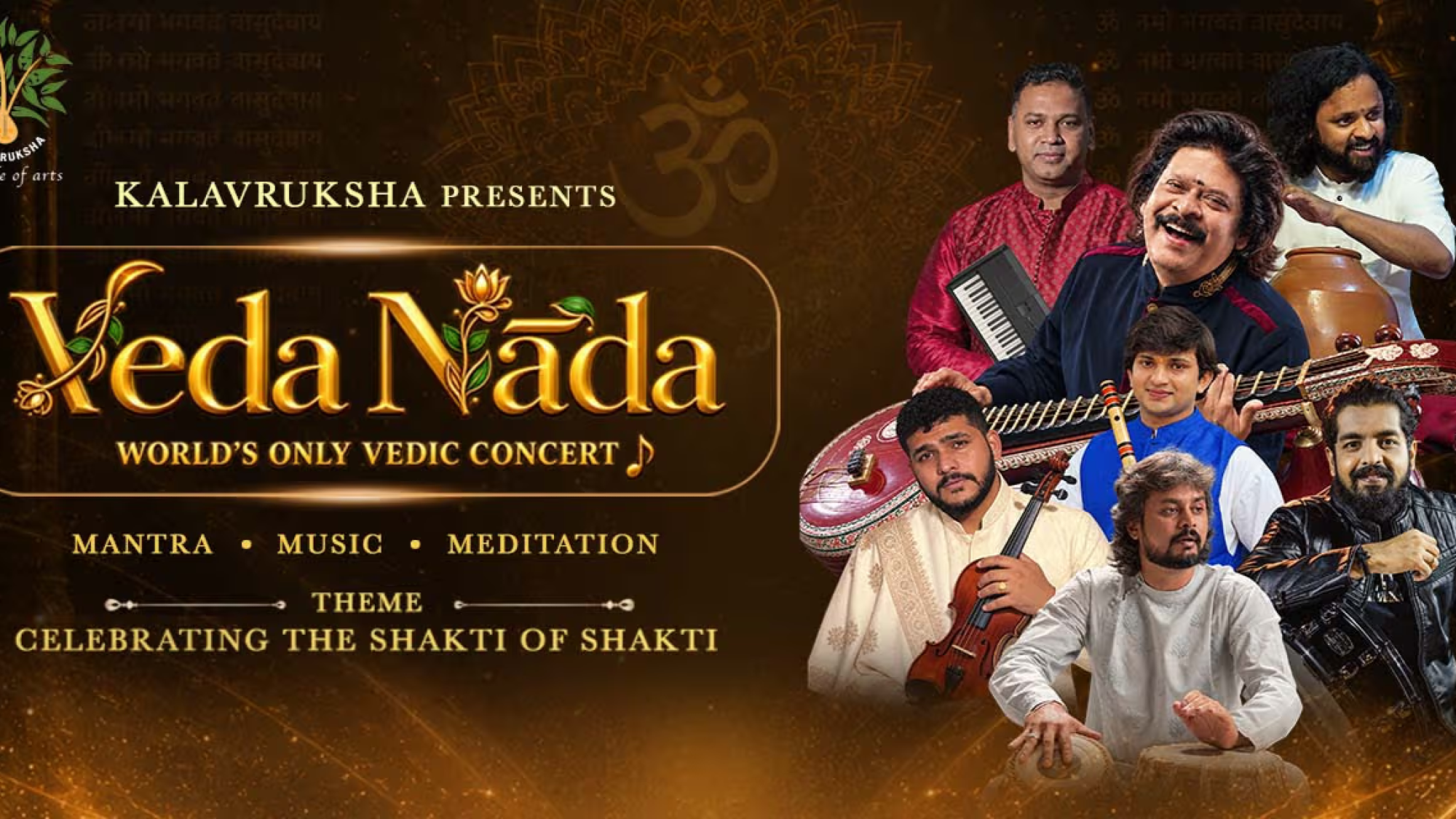
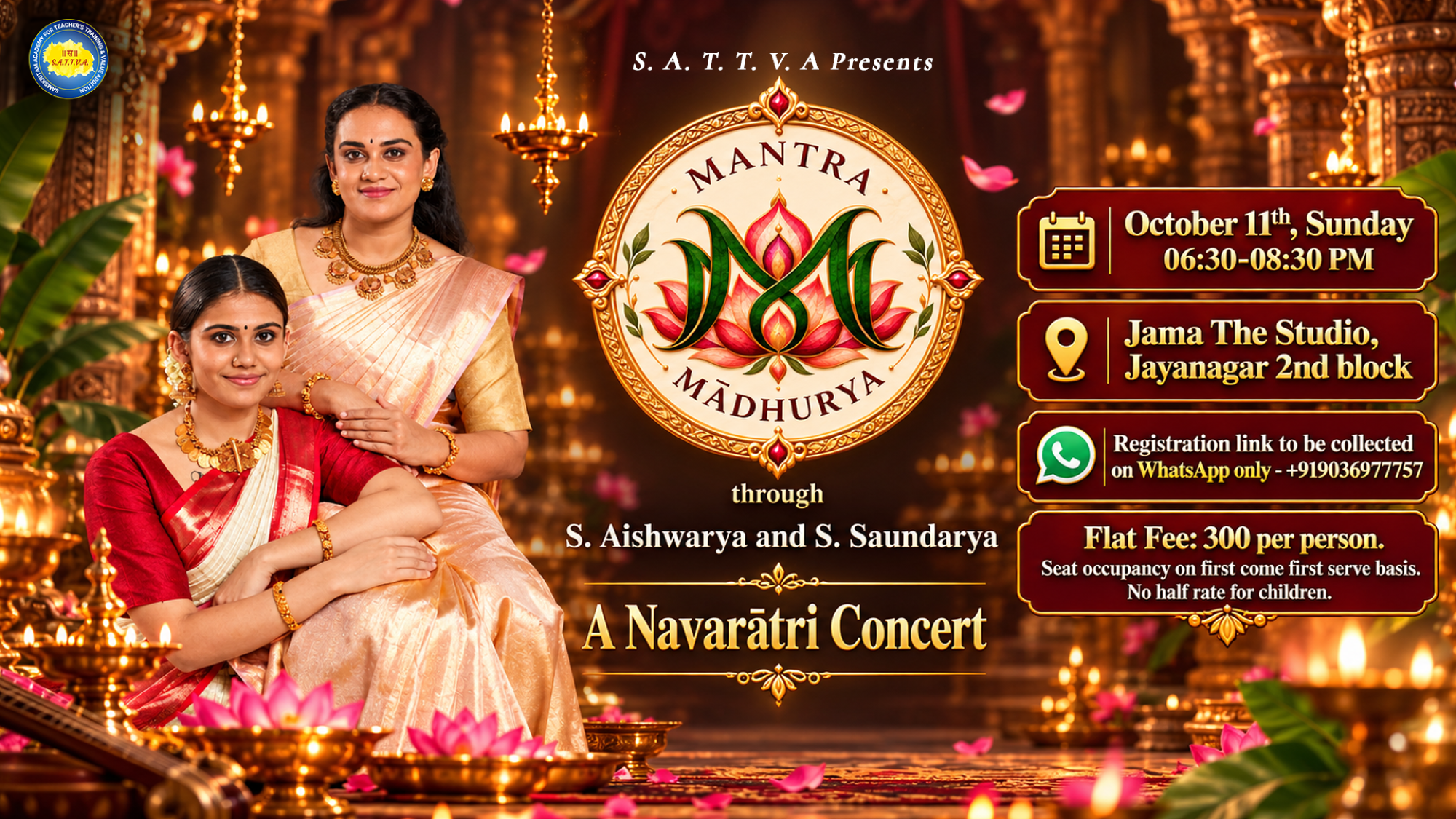
Veda Nāda's Mantra Mādhurya sold out a ninety-seat room in Bengaluru with a ticket link the organisers shared with their own community. No marketplace banner, no paid placement. The audience was already theirs; they only needed a simple way to book.
So what should a new organiser do?
Own your ticket page. Use a link that carries your name, works in one tap on a phone, and takes UPI without forcing an account.
Keep your audience. Make sure every buyer's contact stays with you, so your second show starts with the people from your first.
Spend where the buyers are. The money you save on commission goes further on a boosted post, a better poster or a fairer artist fee.
List on a marketplace only when it pays for itself. Once you are a name people search for, a marketplace can add reach. Until then, you are paying for reach you are not getting.
A big platform is not the enemy. It just won't do your marketing for you. If you are doing the work anyway, keep the margin and keep your audience.